
Commercial Paving in Syracuse, NY: How Much Does It Cost? (2026 Pricing Guide)
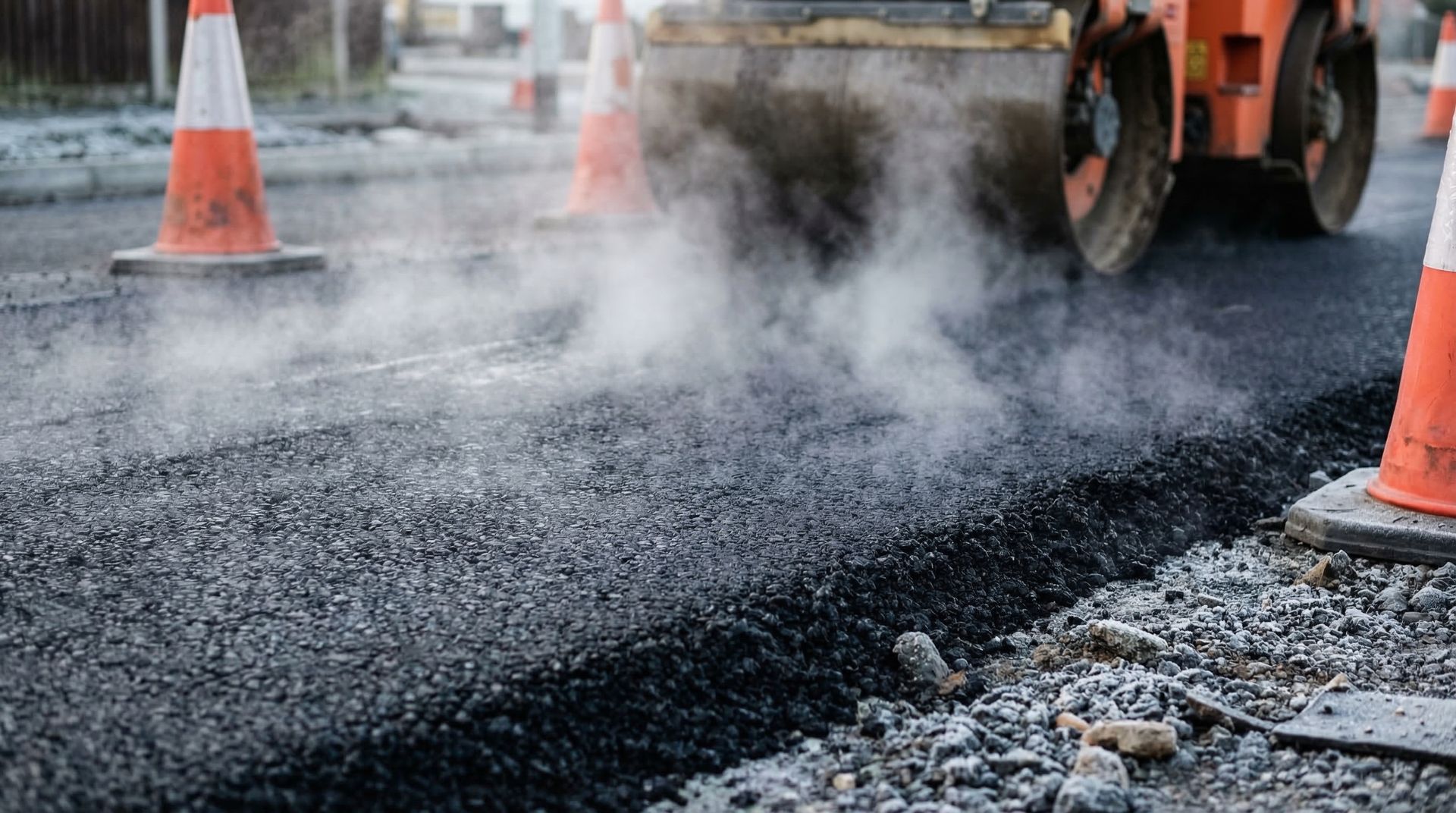
Professional commercial paving crew rolling out durable new asphalt on a road.

At Dependable Paving Co., Inc., we know that understanding what commercial paving in Syracuse, NY actually costs can save business owners thousands of dollars and prevent surprises mid-project. Syracuse's location in Onondaga County brings a demanding freeze-thaw climate that shapes both project timing and long-term pavement performance. This 2026 guide covers typical cost ranges, key price drivers, and the overlay-vs.-replacement decision most Central New York property owners face. Ready to get started? Call us at (315) 463-5633 for a free estimate.a.


What Does Commercial Paving in Syracuse, NY, Cost Per Square Foot?

New commercial asphalt installations typically start at $4 per square foot for full-depth work in 2026. For a standard 10,000-square-foot parking lot, that translates to a starting budget of around $40,000 before site-specific adjustments. Larger projects may benefit from economies of scale, helping keep costs closer to that baseline.


Asphalt overlays on structurally sound existing pavement generally start at $2.50 per square foot. Full tear-out and replacement, when the sub-base has failed, costs more. The right choice depends on base condition, not just surface appearance.


What Factors Drive Commercial Paving Costs in the Syracuse Area?

Several key factors influence the final price of a commercial paving project in our area. Here is what we consider when putting together every estimate:


  • Lot Size and Scope: Larger lots spread fixed mobilization costs across more square footage. Smaller sites or those with tight equipment access may see higher per-square-foot pricing.


  • Sub-Base and Soil Conditions: Unstable sub-grades require grading, excavation, and base reconstruction before asphalt can be placed, adding upward from $1.50 per square foot. In areas of Onondaga County with clay-heavy soils, this step is especially critical.


  • Asphalt Thickness: Surfaces carrying delivery trucks or heavy equipment require thicker asphalt layers. More material increases cost, but insufficient thickness leads to premature failure.


  • Drainage Design: Proper drainage is essential for commercial paving in Syracuse, NY. Our region averages over 60 inches of annual snowfall, and standing water cycling through freeze-thaw will destroy new asphalt from the inside out. Drainage additions can increase base project costs starting at around 15%.


  • Freeze-Thaw Timing: Our paving season in Central New York runs roughly late spring through early fall. Projects delayed into late October risk overnight temperatures that compromise asphalt compaction.


Is an Overlay Cheaper Than Full Replacement?

Yes, an overlay is almost always less expensive, but it is only appropriate when the existing sub-base is structurally sound. Paving over a failing base adds cost without extending pavement life.


When Is the Best Time to Pave in Syracuse, NY?

Late spring through early fall offers the most reliable conditions. Warmer ambient temperatures allow hot-mix asphalt to compact and cure properly, directly affecting long-term durability.


Does Lot Size Affect the Price Per Square Foot?

Yes. Larger commercial lots typically see a lower per-square-foot cost due to economies of scale, while smaller or more complex sites trend toward the higher end of our quoted ranges.


Get an Accurate Quote for Your Syracuse Commercial Paving Project

No published range replaces a site-specific estimate. Dependable Paving Co., Inc. has served Onondaga County and Central New York since 1976. See what nearly five decades of experience look like on Google Maps, then visit our paving services page to learn more, or contact us to request a free estimate. Call (315) 463-5633 to speak with our team directly.
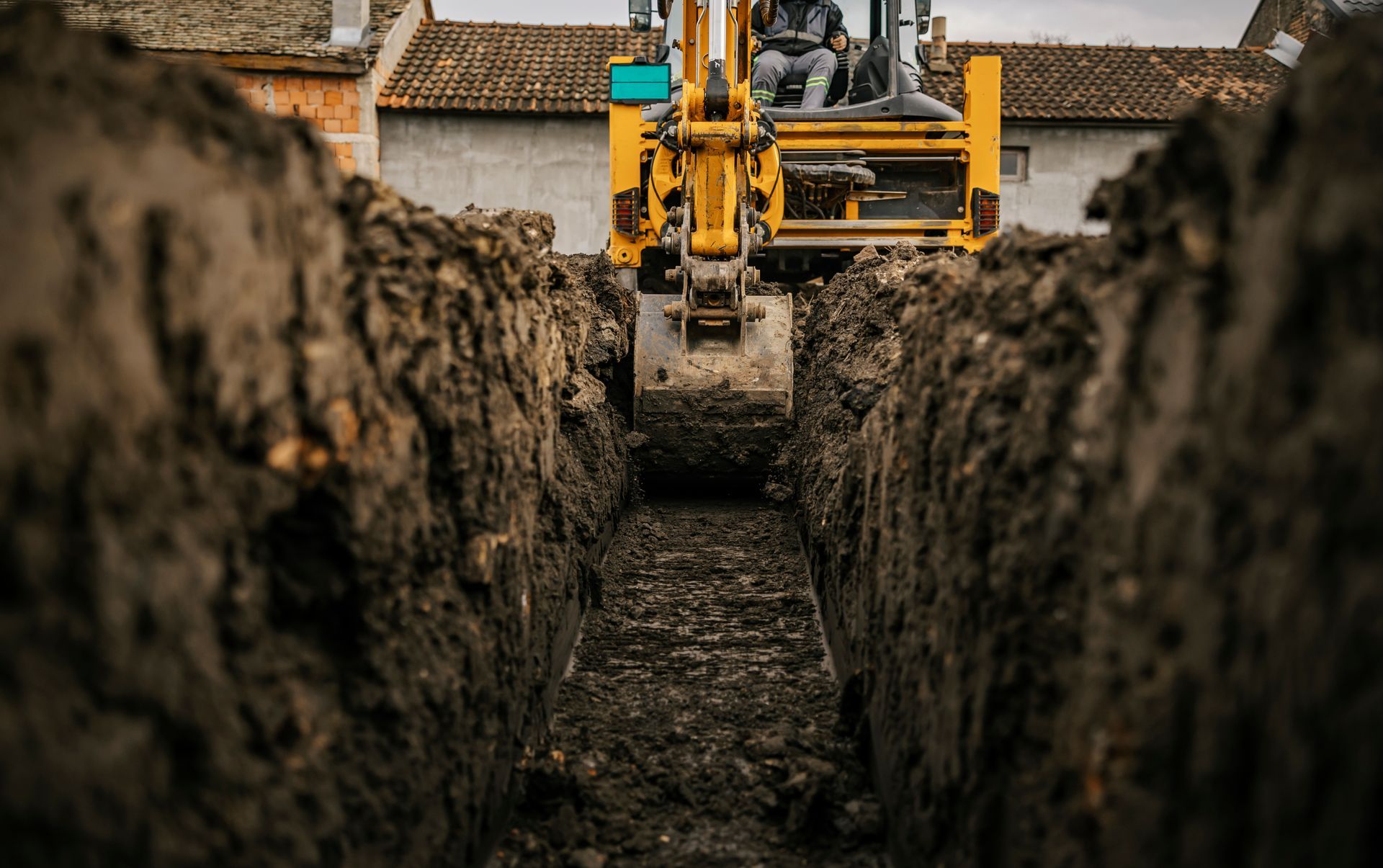

Excavator digging a trench between soil walls near residential buildings.
June 19, 2026
Dependable Paving Co., Inc. provides trusted Excavation Services in Syracuse, NY. Call us at (315) 463-5633 today for expert site preparation.
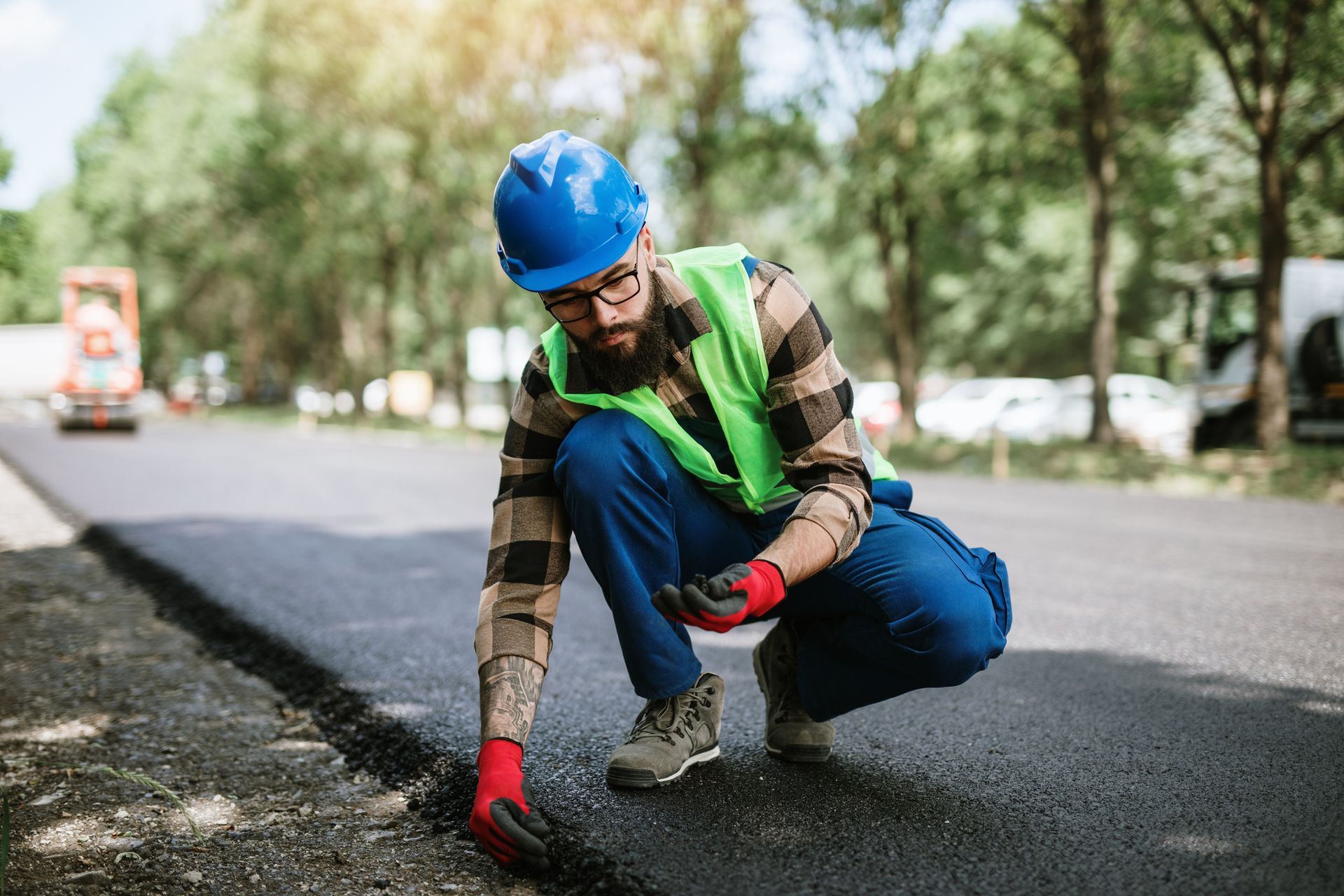
Pavement installation by a bearded construction worker on a sunny day.
November 25, 2025
Pavement installation in Syracuse, NY, made simple with Dependable Paving Co. Call (315) 463-5633 today for expert advice and quality results.
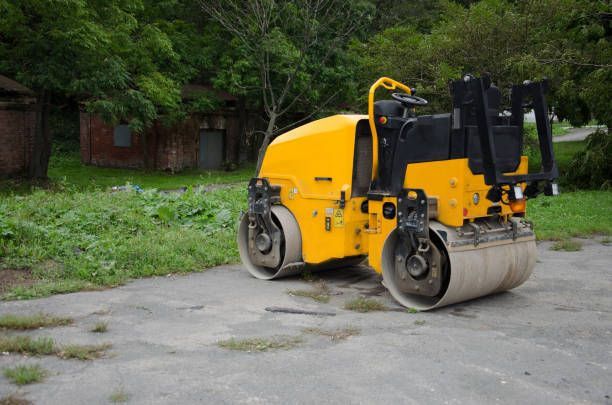
Asphalt skating rink road repair work.
June 27, 2025
Discover the benefits of asphalt pavement sealing in Salina, NY. Improve curb appeal & save costs today! Call Dependable Paving Co., Inc. at (315) 463-5633.
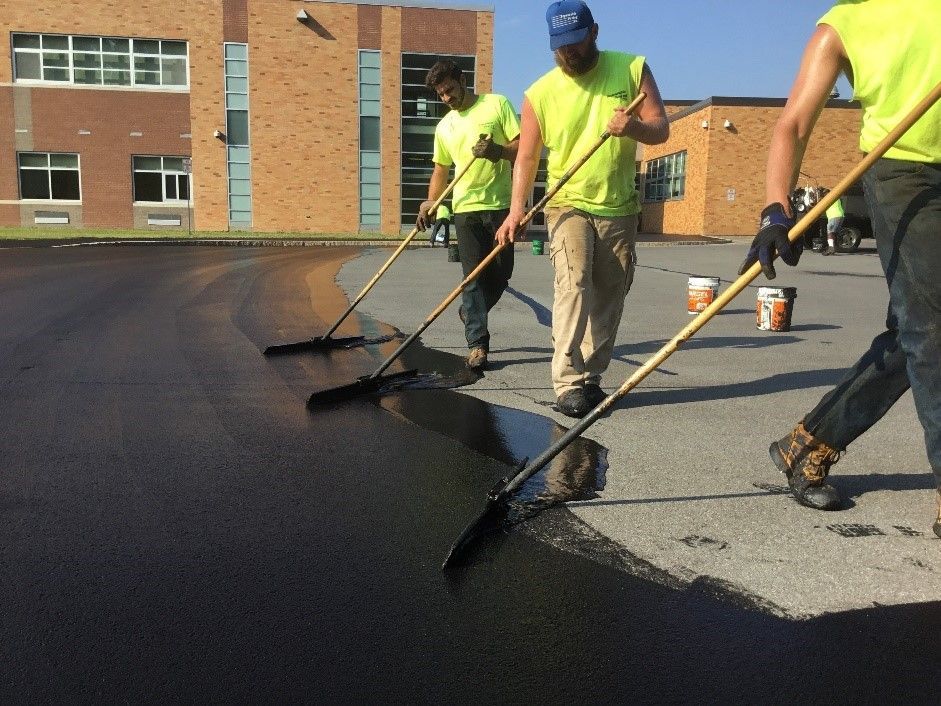
Men in yellow work clothes sealcoating a parking lot.
March 13, 2025
Protect your asphalt with professional sealcoating in Cicero, NY. Call Dependable Paving Co. at (315) 463-5633 for a free estimate!
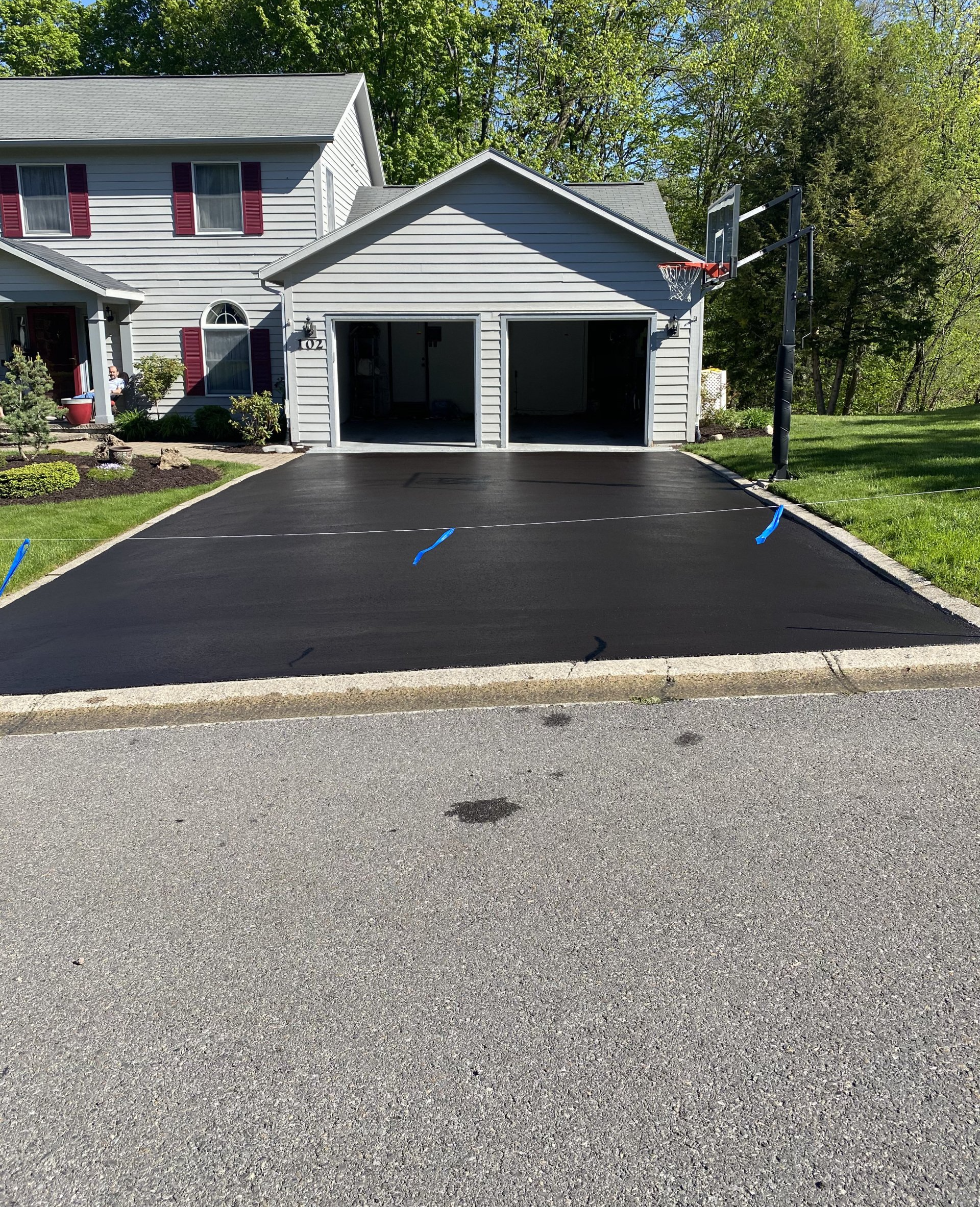
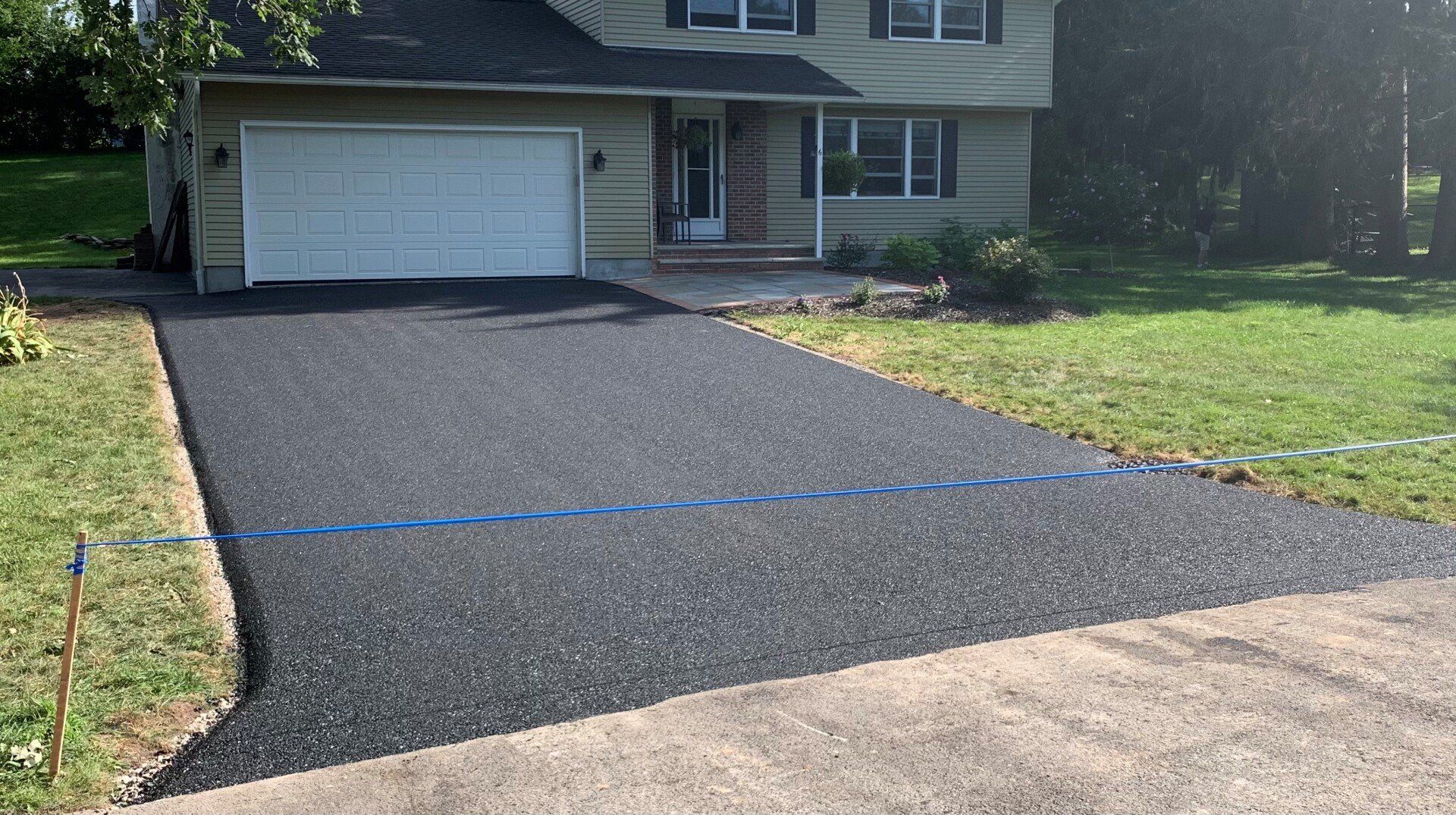
Freshly paved black driveway in front of a gray house and garage with a basketball hoop.
March 29, 2022
Sealcoating Asphalt sealcoating is a process that is designed to keep asphalt surfaces water-tight and protected from the elements. Think of sealcoating as a protective “paint” that goes over the surface of a driveway or parking lot, giving it a jet black hue while also keeping the asphalt in tip top shape. Asphalt is just a bunch of rocks that are glued together with a petroleum-based binder under a high heat. When installed and compacted, asphalt surfaces give the appearance of being smooth, impenetrable surface. However, micro-pores exist between each individual rock that makes up the asphalt mix, allowing moisture to find it’s way through the asphalt layers. In a sense, you could say that asphalt is porous. Water, being one of the most destructive forces on planet earth, is not something that we want to consistently penetrate asphalt. With moisture in the asphalt layers and in the sub-base underneath, the asphalt is susceptible to damage, especially during the winter months when the ground freezes and thaws. Water expands and contracts as it heats up and cools down and the last thing we want to have happen is for the moisture sitting in the micro-pores of the asphalt to undergo this expansion and contraction. The fix? We need to allow as little moisture as possible to penetrate the asphalt layers in the first place. This is where sealcoating comes into play. When asphalt gets sealcoated, the sealer fills up the micro-pores in the asphalt and allows water that hits the surface to “shed” versus get absorbed. Again, the goal is to have as much water shed off the surface of the driveway or parking lot as possible to reduce the amount of moisture in the asphalt layers.
Rebuild Asphalt Area — Syracuse, NY — Dependable Paving Co.
March 29, 2022
Remove and Replace A remove and replace (R&R) is a complete rebuild of the existing driveway or asphalt area. To understand what constitutes an R&R, we must first learn the different layers (materials) that make up an asphalt surface in the first place: Sub-grade: the sub-grade, for lack of a better term, is earth. It is the native soil that is found under the ground in the location of the asphalt project (think clay, sand, loam, silt). Sub-base: the sub-base is the layer of compacted material that is installed on top of the sub-grade. It creates the foundation for the eventual installation of asphalt (think runner-crush stone). Asphalt Concrete Layers: also known as blacktop, pavement, macadam, and asphalt, the asphalt concrete is the drivable surface of a driveway, parking lot, and roadway. It’s the black surface that comes to mind when you think of a driveway and it is installed in two layers: a binder course and top course. When undergoing an R&R the driveway is completely ripped out to the sub-grade, meaning that the blacktop layers and the sub-base (existing runner-crush stone base) are being removed until just the sub-grade is exposed. The sub-grade is then covered with geo-textile fabric and the sub-base is rebuilt with new runner-crush stone. When the new runner-crush stone has been compacted, the asphalt layers will be re-paved, starting with the binder course and finishing with the top course.
Installin Asphalt — Syracuse, NY — Dependable Paving Co.
March 29, 2022
What Is A Resurface? A resurface is installing a new layer of hot-mix asphalt over an existing layer of established pavement. We are giving the driving area a new surface without doing any excavation or sub-base work. A resurface is very similar to installing the top coat on an R&R, which you can find more literature on here. Can Any Pavement Be Resurfaced? Technically, yes. You could throw asphalt over grass if you wanted to, but it doesn’t mean it’s going to last! Resurfaces are an asphalt procedure which have to meet a certain set of criteria to be effective and have a shot at longevity. First things first, the existing asphalt cannot have any sub-base failure. Sub-base failure shows itself in many forms, but most commonly in the form of tire rutting, alligator cracking, and severe settling. Unless you, as the property owner, are looking to waste money and resources, you would never want to resurface over asphalt that is failing due to problems with the sub-base underneath it. Remember, asphalt is only as good as the foundation that’s underneath it. If you have failure below, you’re going to get failure on top – it’s just a matter of time. Secondly, there shouldn’t be any extensive cracking on your driveway. Are we talking about surface cracking here? No. Surface cracking is going to happen on all asphalt at some point and it is fine to resurface over it. We’re talking about cracking that runs down to the sub-base, or in other words, cracking that goes through the depth of the asphalt layers. Asphalt “reflects” what is underneath it. For instance, if there is a dip in an existing asphalt surface and a new layer of fresh asphalt is installed over the dip, the dip will reflect to the new surface. In the case of deep cracking that goes to the sub-base, there are essentially two different planes of asphalt created. As these two different planes of asphalt are driven over, or as they go through freeze/thaw cycles, they will move and shift as two separate pieces. If there is a new layer of asphalt installed over this type of cracking, the shifting of the two separate pieces of asphalt will cause the layer on top to reflect that crack. In sum, we just want to make sure that whatever we’re going to resurface over has a shot at lasting. Resurfaces are not meant as an end-all-be-all procedure for your driveway, but when applied over the right conditions they can provide a homeowner with many more years of use without having to rip up the entire driveway. At the end of the day it all comes down to how well the sub-base was constructed, as that is the determining factor for the overall longevity of the driveway. Even the best resurface over a bad sub-base will not last as long as a mediocre resurface over a good sub-base. Best Application For A Resurface Resurfaces are best applied to driveways that have good surface conditions but have sank at fixed-elevations. Fixed-elevations are elevations that homeowners expect the driveway to be flush with. Most commonly garage floors, sidewalks, roadways, curbing, and concrete culverts are elevations that driveway surfaces should be flush with. Every driveway, at some point, was flush with the fixed-elevations around it. But often times, and almost inevitably, the driveway slowly sinks down and creates a reveal at these fixed-elevations. It’s very common to see 1-2 inch lips where driveway’s meet garage floors, sidewalks, and curbing – and sometimes the reveal can be more than that! However, the rest of the driveway can be in great shape and it doesn’t need to be removed and replaced. This is an ideal application for a resurface. By adding another layer of asphalt over the existing surface (usually 2-inches thick), the driveway can once again be flush with he fixed elevations that it touches.