
Spring Excavation Services Tips for Syracuse, NY 
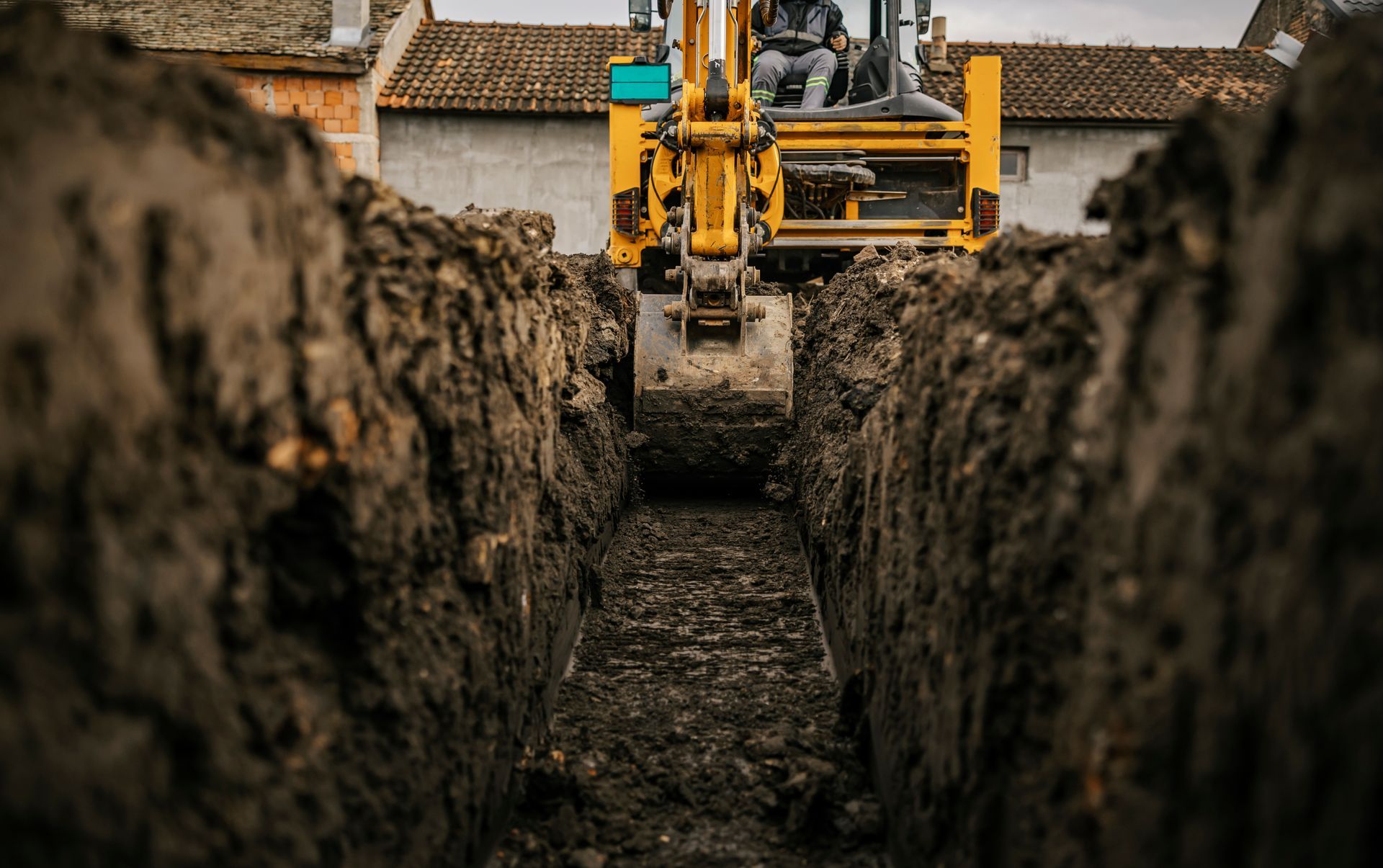
Excavator digging a trench between soil walls near residential buildings.

Spring weather in Central New York creates serious ground conditions for property owners planning construction projects. Melting snow and heavy rain can leave the soil unstable, saturated, and difficult to manage. Professional excavation services become especially important during this time because rushing a project without proper planning can lead to foundation damage, drainage problems, and unsafe trenches. Contact us today at (315) 463-5633 to speak with Dependable Paving Co., Inc., proudly serving the Syracuse, NY area.


Why April is a Critical Month for Excavation in Syracuse

April is often the turning point between frozen winter ground and active construction season. While warmer temperatures may seem ideal for outdoor work, the soil underneath tells a different story.


As the frost leaves the ground, water becomes trapped in the clay-heavy soil common throughout Central New York. This creates a soft and unstable surface that can shift under heavy equipment or collapse during excavation work.


Many homeowners notice standing water in their yards during this period. Businesses may also experience muddy parking areas, drainage issues, or uneven ground conditions. These are warning signs that the soil is holding excess moisture.


Without proper site evaluation, excavation work completed too early in the season can create long-term structural problems. Learn more about Dependable Paving Co., Inc.'s excavation services in the Syracuse area.


The “Sponge” Effect in Syracuse Soil

The clay-rich soil found throughout Syracuse acts much like a sponge during the spring thaw. Frozen ground begins to soften while absorbing melting snow and rainfall at the same time.

This process creates several risks:

  • Water remains trapped beneath the surface
  • Soil loses strength and stability
  • Heavy machinery can sink or leave deep ruts
  • Excavated trenches become more likely to collapse
  • Foundations may shift if water movement is ignored


Ground conditions can also vary across the same property. One area may appear dry while another remains saturated underneath. That is why soil excavation projects in Syracuse, NY, require careful planning before digging begins.


Can You Excavate in Syracuse During the Spring Thaw?

Yes, excavation can be completed during the spring thaw in Syracuse, but only after a proper soil and drainage assessment. Wet and unstable ground requires experienced crews, controlled equipment use, and careful water management to avoid foundation damage, trench collapse, and landscape disruption.


Professional contractors understand how to evaluate soil moisture, monitor ground stability, and choose the right excavation approach for spring conditions.


Why Soil Assessment Matters Before Excavation

Excavation is not simply about moving dirt from one location to another. Every project affects the surrounding soil, drainage flow, and water table beneath the property.


A professional assessment helps determine:

  • How much moisture is trapped underground
  • Whether the soil can safely support equipment
  • If drainage improvements are needed
  • How deep frost remains below the surface
  • The safest location for digging and grading

Ignoring these factors can lead to serious problems later. Water pressure around a foundation may increase after excavation if drainage pathways are disturbed incorrectly. Soft soil can also settle unevenly after construction. This may create cracks in foundations, sidewalks, or driveways over time.


Equipment Precision Protects Soft Spring Ground

Spring excavation requires more than experience. It also requires the right equipment and careful operation. Dependable Paving Co., Inc. understands how soft ground conditions affect both safety and property appearance. Using equipment that is too heavy during the spring thaw may create deep ruts, damaged lawns, or compacted soil that affects drainage later.


Professional crews evaluate the site and select the proper machinery for the conditions. Smaller or lighter equipment may reduce pressure on unstable ground while still allowing the work to move forward safely.


This careful approach helps protect the following:

  • Existing landscaping
  • Nearby sidewalks and driveways
  • Drainage patterns
  • Soil stability around the excavation area

Ground thaw construction projects should always focus on both immediate results and long-term property protection.
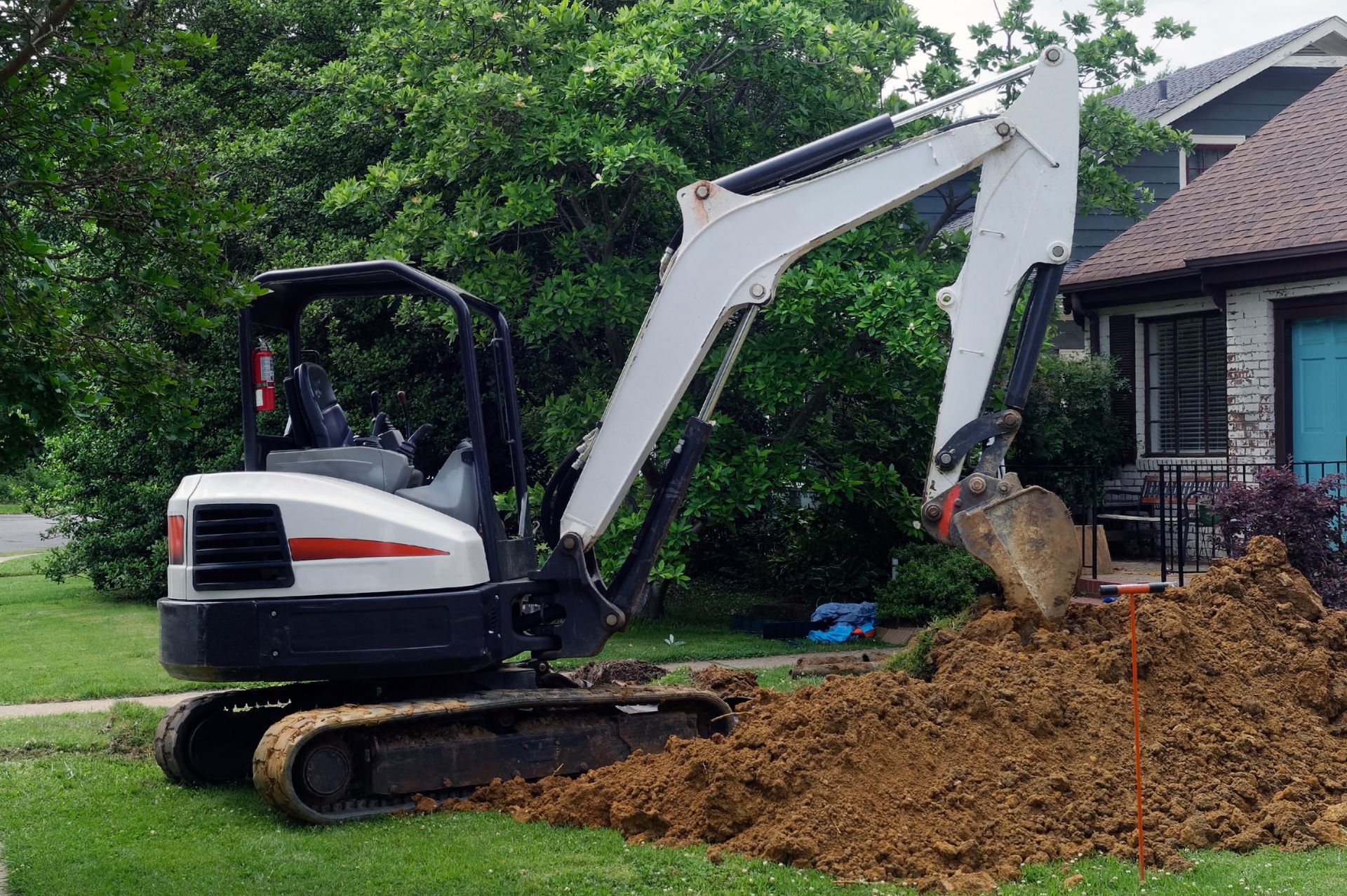
Compact excavator digging a pile of soil beside a house and trees in a yard.

Drainage Solutions Help Prevent Foundation Problems

One of the most important parts of spring excavation involves controlling water movement around the property.

When snow melts quickly, the water table rises and puts pressure on foundations and retaining structures. Poor drainage may also allow water to collect near the home's footer, increasing the risk of shifting or settling.


Professional drainage solutions Syracuse property owners rely on, often include the following:


Proper Site Grading

Correct grading directs water away from structures instead of allowing it to pool near the foundation.


Drainage Channel Installation

Drainage systems help move excess groundwater safely across the property.


Soil Stabilization

In some cases, unstable soil may require reinforcement or controlled compaction before construction continues.


Careful Excavation Depth Management

Digging too deep during wet conditions may weaken surrounding soil or expose underground water flow. Managing these details correctly protects both residential and commercial properties throughout the year.


Common Spring Excavation Mistakes to Avoid

Many property owners want to begin projects as soon as temperatures rise. However, rushing excavation work during the thaw season can create avoidable damage.


Common mistakes include:

  • Starting excavation before the soil fully stabilizes
  • Ignoring standing water on the property
  • Using oversized equipment on wet ground
  • Skipping proper drainage planning
  • Failing to inspect underground conditions


Experienced contractors understand that timing matters just as much as the excavation itself.


Planning Ahead for Safer Construction Projects

Spring remains one of the busiest times for excavation and site preparation throughout Syracuse. Scheduling early inspections and evaluations can help prevent delays once construction season becomes more active.


A professional excavation team can identify potential issues before they grow into costly repairs later. Careful planning also improves safety for workers, homeowners, and surrounding structures.


Whether preparing for a driveway installation, drainage upgrade, foundation work, or grading project, stable soil conditions are essential for long-term results.


You can also check our Google Business Profile.


Trust Dependable Paving Co., Inc. for Spring Excavation

Spring excavation work requires precision, planning, and local knowledge of Syracuse soil conditions. Dependable Paving Co., Inc. provides professional excavation services designed to protect your property while preparing your site safely and efficiently.

Call us at (315) 463-5633 today or send us a message to schedule your excavation consultation in Syracuse, NY.
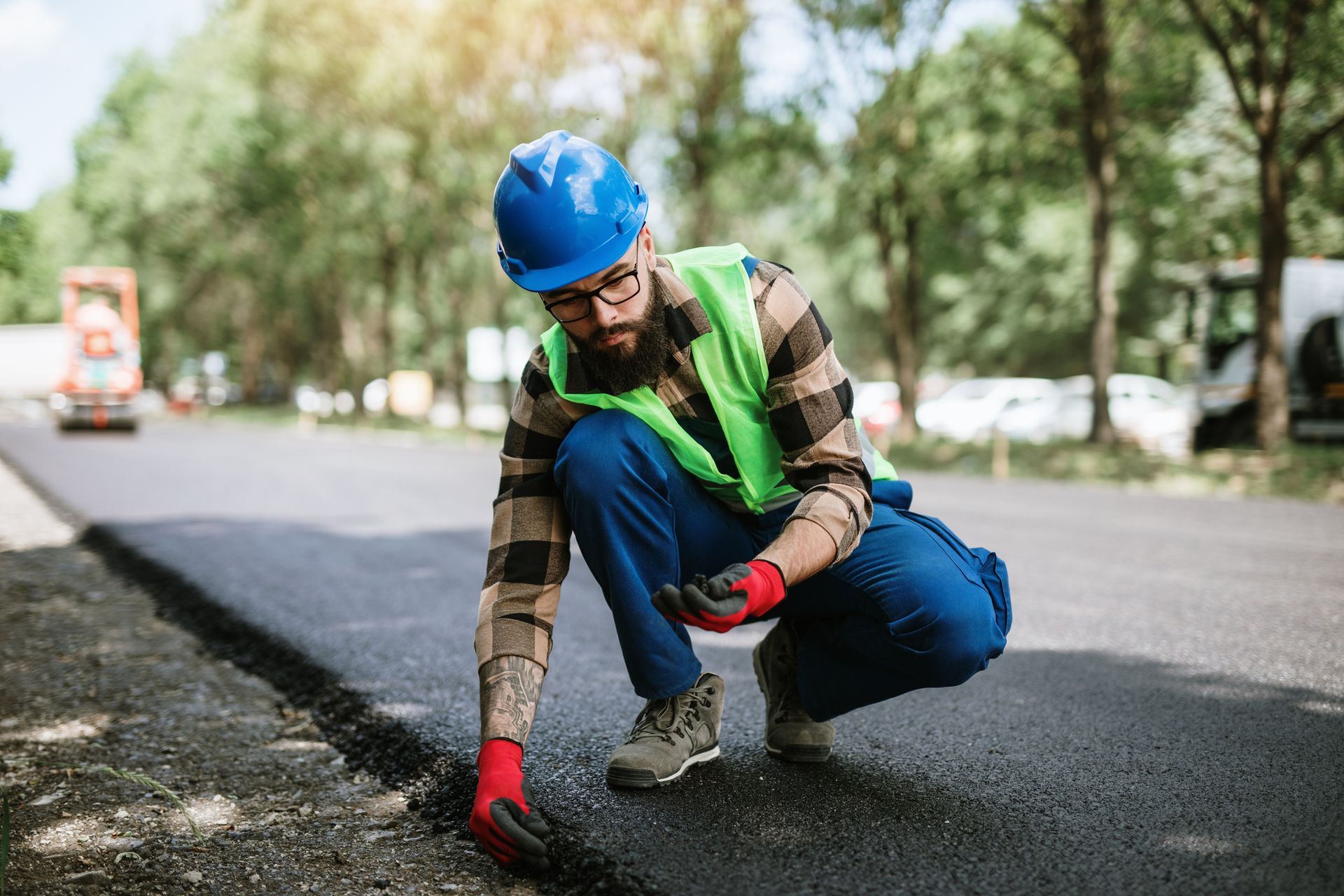
Pavement installation by a bearded construction worker on a sunny day.
November 25, 2025
Pavement installation in Syracuse, NY, made simple with Dependable Paving Co. Call (315) 463-5633 today for expert advice and quality results.
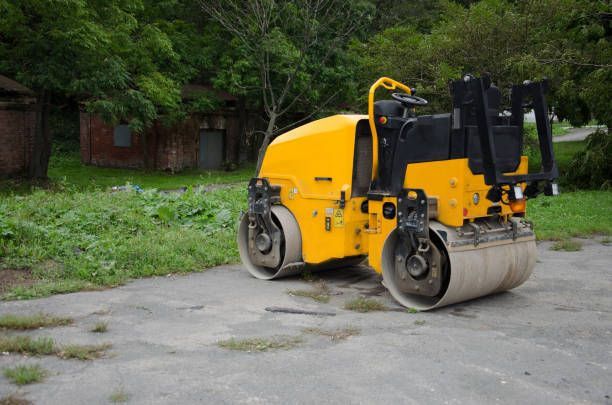
Asphalt skating rink road repair work.
June 27, 2025
Discover the benefits of asphalt pavement sealing in Salina, NY. Improve curb appeal & save costs today! Call Dependable Paving Co., Inc. at (315) 463-5633.
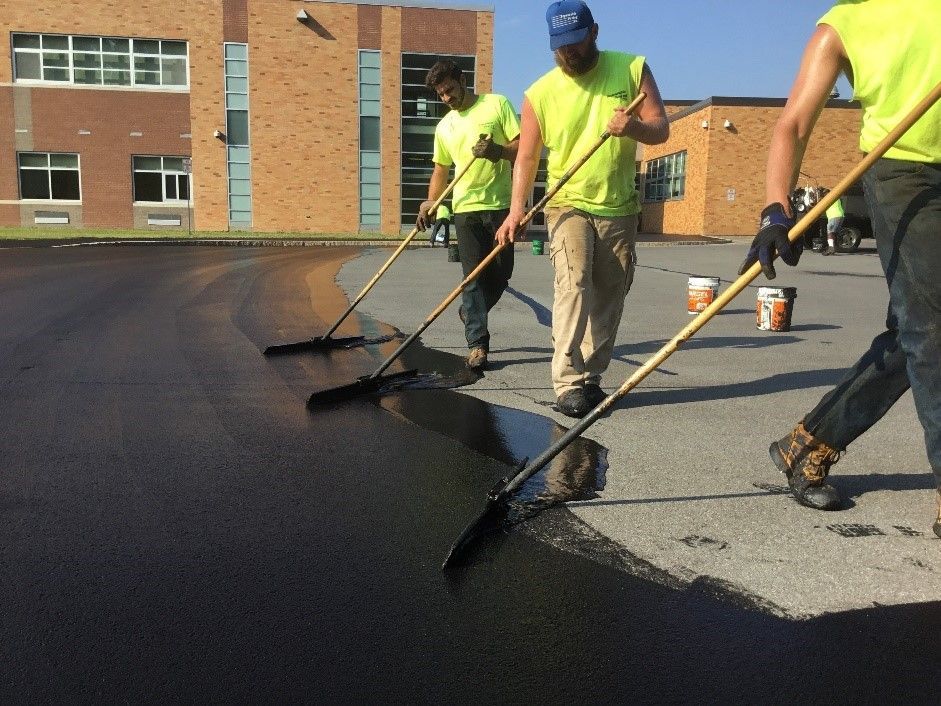
Men in yellow work clothes sealcoating a parking lot.
March 13, 2025
Protect your asphalt with professional sealcoating in Cicero, NY. Call Dependable Paving Co. at (315) 463-5633 for a free estimate!
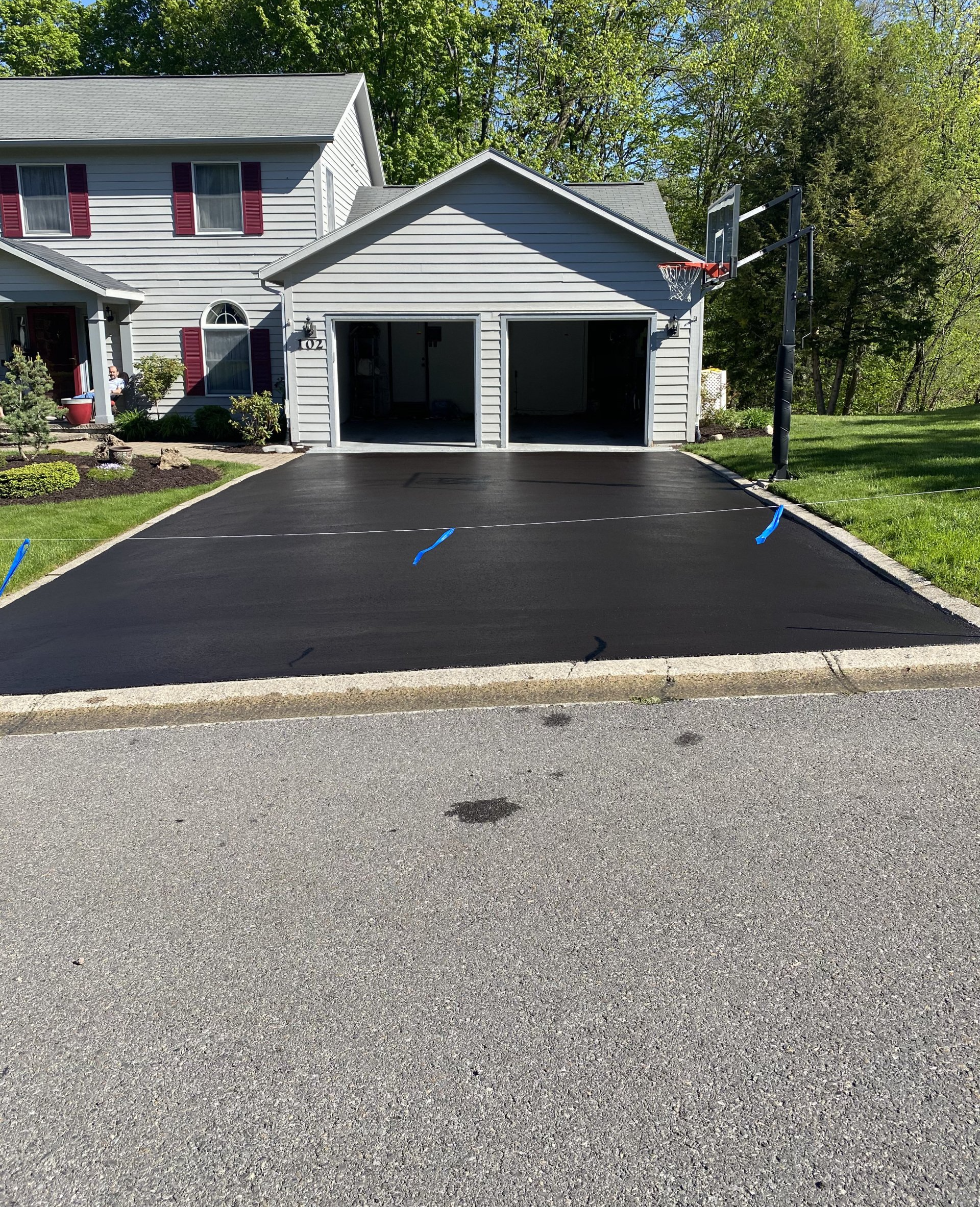
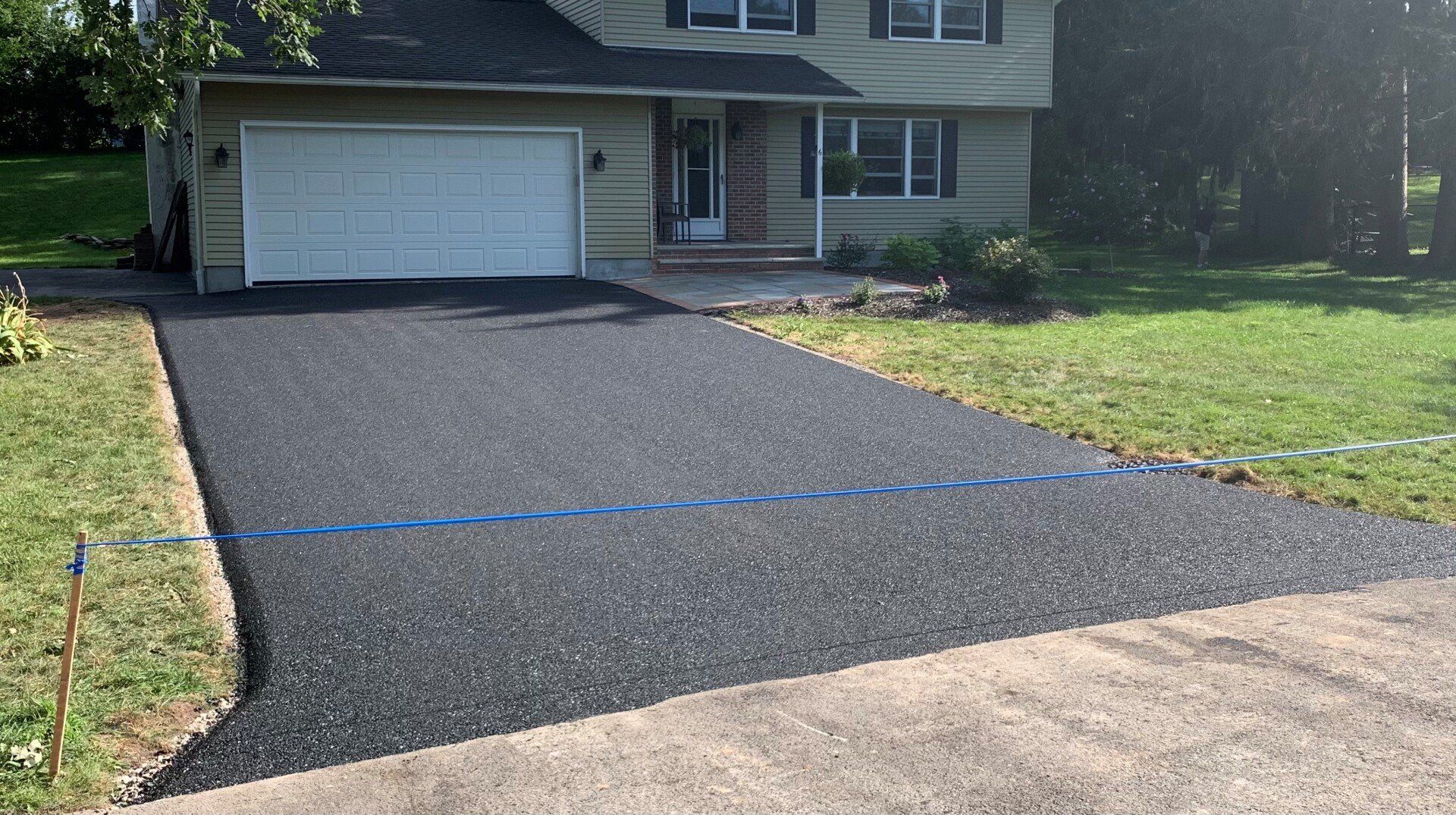
Freshly paved black driveway in front of a gray house and garage with a basketball hoop.
March 29, 2022
Sealcoating Asphalt sealcoating is a process that is designed to keep asphalt surfaces water-tight and protected from the elements. Think of sealcoating as a protective “paint” that goes over the surface of a driveway or parking lot, giving it a jet black hue while also keeping the asphalt in tip top shape. Asphalt is just a bunch of rocks that are glued together with a petroleum-based binder under a high heat. When installed and compacted, asphalt surfaces give the appearance of being smooth, impenetrable surface. However, micro-pores exist between each individual rock that makes up the asphalt mix, allowing moisture to find it’s way through the asphalt layers. In a sense, you could say that asphalt is porous. Water, being one of the most destructive forces on planet earth, is not something that we want to consistently penetrate asphalt. With moisture in the asphalt layers and in the sub-base underneath, the asphalt is susceptible to damage, especially during the winter months when the ground freezes and thaws. Water expands and contracts as it heats up and cools down and the last thing we want to have happen is for the moisture sitting in the micro-pores of the asphalt to undergo this expansion and contraction. The fix? We need to allow as little moisture as possible to penetrate the asphalt layers in the first place. This is where sealcoating comes into play. When asphalt gets sealcoated, the sealer fills up the micro-pores in the asphalt and allows water that hits the surface to “shed” versus get absorbed. Again, the goal is to have as much water shed off the surface of the driveway or parking lot as possible to reduce the amount of moisture in the asphalt layers.
Rebuild Asphalt Area — Syracuse, NY — Dependable Paving Co.
March 29, 2022
Remove and Replace A remove and replace (R&R) is a complete rebuild of the existing driveway or asphalt area. To understand what constitutes an R&R, we must first learn the different layers (materials) that make up an asphalt surface in the first place: Sub-grade: the sub-grade, for lack of a better term, is earth. It is the native soil that is found under the ground in the location of the asphalt project (think clay, sand, loam, silt). Sub-base: the sub-base is the layer of compacted material that is installed on top of the sub-grade. It creates the foundation for the eventual installation of asphalt (think runner-crush stone). Asphalt Concrete Layers: also known as blacktop, pavement, macadam, and asphalt, the asphalt concrete is the drivable surface of a driveway, parking lot, and roadway. It’s the black surface that comes to mind when you think of a driveway and it is installed in two layers: a binder course and top course. When undergoing an R&R the driveway is completely ripped out to the sub-grade, meaning that the blacktop layers and the sub-base (existing runner-crush stone base) are being removed until just the sub-grade is exposed. The sub-grade is then covered with geo-textile fabric and the sub-base is rebuilt with new runner-crush stone. When the new runner-crush stone has been compacted, the asphalt layers will be re-paved, starting with the binder course and finishing with the top course.
Installin Asphalt — Syracuse, NY — Dependable Paving Co.
March 29, 2022
What Is A Resurface? A resurface is installing a new layer of hot-mix asphalt over an existing layer of established pavement. We are giving the driving area a new surface without doing any excavation or sub-base work. A resurface is very similar to installing the top coat on an R&R, which you can find more literature on here. Can Any Pavement Be Resurfaced? Technically, yes. You could throw asphalt over grass if you wanted to, but it doesn’t mean it’s going to last! Resurfaces are an asphalt procedure which have to meet a certain set of criteria to be effective and have a shot at longevity. First things first, the existing asphalt cannot have any sub-base failure. Sub-base failure shows itself in many forms, but most commonly in the form of tire rutting, alligator cracking, and severe settling. Unless you, as the property owner, are looking to waste money and resources, you would never want to resurface over asphalt that is failing due to problems with the sub-base underneath it. Remember, asphalt is only as good as the foundation that’s underneath it. If you have failure below, you’re going to get failure on top – it’s just a matter of time. Secondly, there shouldn’t be any extensive cracking on your driveway. Are we talking about surface cracking here? No. Surface cracking is going to happen on all asphalt at some point and it is fine to resurface over it. We’re talking about cracking that runs down to the sub-base, or in other words, cracking that goes through the depth of the asphalt layers. Asphalt “reflects” what is underneath it. For instance, if there is a dip in an existing asphalt surface and a new layer of fresh asphalt is installed over the dip, the dip will reflect to the new surface. In the case of deep cracking that goes to the sub-base, there are essentially two different planes of asphalt created. As these two different planes of asphalt are driven over, or as they go through freeze/thaw cycles, they will move and shift as two separate pieces. If there is a new layer of asphalt installed over this type of cracking, the shifting of the two separate pieces of asphalt will cause the layer on top to reflect that crack. In sum, we just want to make sure that whatever we’re going to resurface over has a shot at lasting. Resurfaces are not meant as an end-all-be-all procedure for your driveway, but when applied over the right conditions they can provide a homeowner with many more years of use without having to rip up the entire driveway. At the end of the day it all comes down to how well the sub-base was constructed, as that is the determining factor for the overall longevity of the driveway. Even the best resurface over a bad sub-base will not last as long as a mediocre resurface over a good sub-base. Best Application For A Resurface Resurfaces are best applied to driveways that have good surface conditions but have sank at fixed-elevations. Fixed-elevations are elevations that homeowners expect the driveway to be flush with. Most commonly garage floors, sidewalks, roadways, curbing, and concrete culverts are elevations that driveway surfaces should be flush with. Every driveway, at some point, was flush with the fixed-elevations around it. But often times, and almost inevitably, the driveway slowly sinks down and creates a reveal at these fixed-elevations. It’s very common to see 1-2 inch lips where driveway’s meet garage floors, sidewalks, and curbing – and sometimes the reveal can be more than that! However, the rest of the driveway can be in great shape and it doesn’t need to be removed and replaced. This is an ideal application for a resurface. By adding another layer of asphalt over the existing surface (usually 2-inches thick), the driveway can once again be flush with he fixed elevations that it touches.